


Here s What Science—and Your Relationship—Wants You to Know
Your sex life is not just about the bedroom. It s about your emotional connection, communication, mental health, and even how you feel about yourself. Ready to understand what s working, what s missing, and what could change everything?
Do You Feel Close Emotionally but Distant Physically?

You re not alone.
Sexual dissatisfaction is a common but often unspoken struggle in many relationships. Research shows that 35% of recurring conflicts among couples are rooted in mismatched sexual desire — often when one partner, frequently women, says no to sex. But it s not about refusal. It s about emotional overload, stress, hormonal imbalance, or simply unmet emotional needs.
When Sex Becomes a Source of Stress Instead of Connection

Let s be honest — when sex becomes rare, rejected, or routine, it can lead to:
These patterns aren t just frustrating. They re damaging to your relationship s foundation. And the worst part? Most couples never get help until it s too late.
Checklist: Is Your Sex Life in Need of Healing?

Use this quick checklist to assess the quality of intimacy in your relationship:
- Do you feel emotionally connected but rarely physically intimate?
- Do either of you feel rejected, frustrated, or anxious around sex?
- Do you avoid talking about your sexual needs or boundaries?
- Is intimacy driven more by guilt or routine than desire and affection?
If you checked even two or more, your sex life might need more attention — and that s okay. Awareness is the first step toward healing.
The Science-Backed Benefits of a Satisfying Sex Life
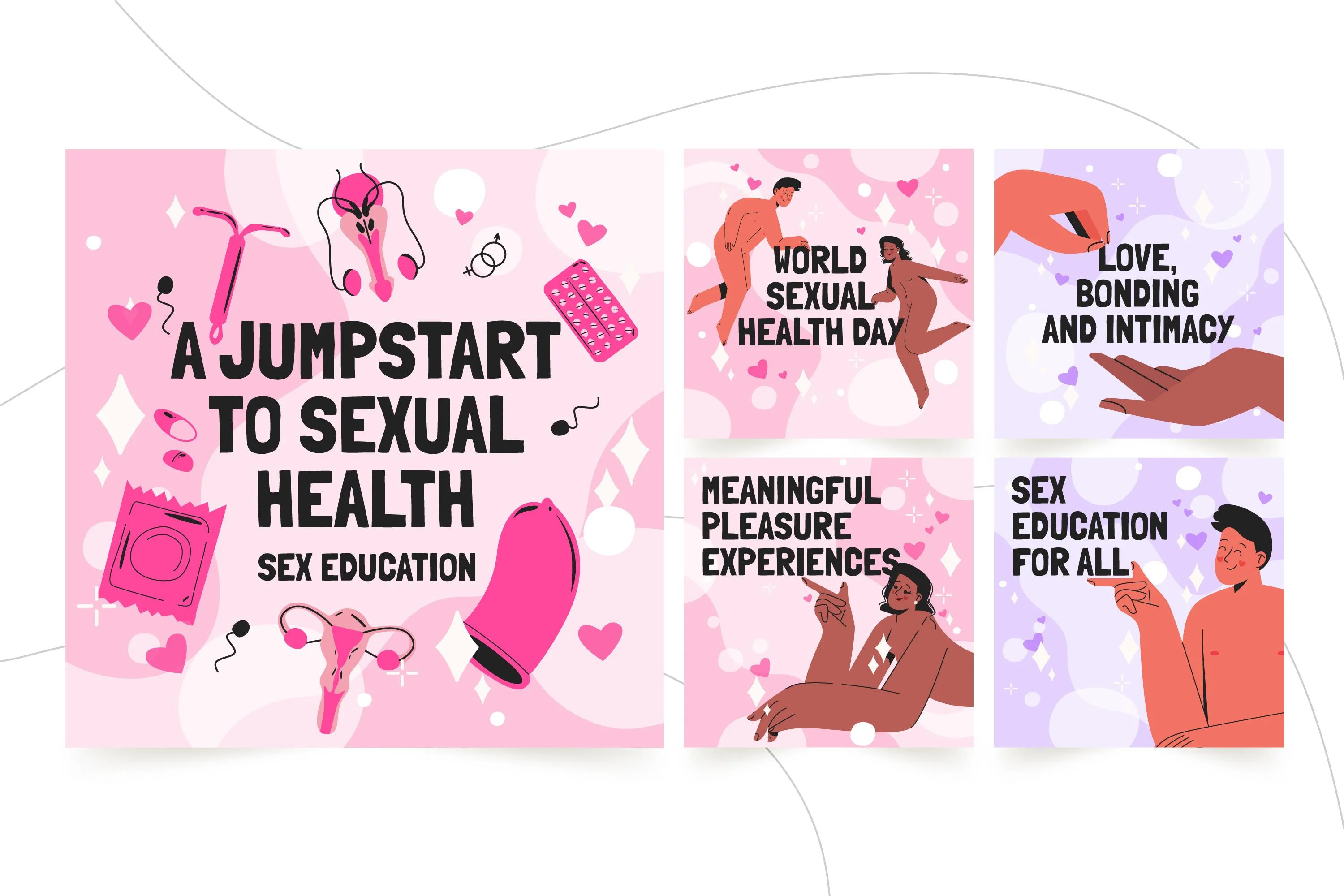
Sex, when rooted in mutual desire and emotional safety, is incredibly beneficial. According to Harvard Health, couples with healthy sex lives report:
Regular, satisfying sex is also linked to lower stress levels, improved self-esteem, and better mental health. It s more than intimacy — it s wellness.
A Real Story That May Feel Familiar
"After we had our second child, I just couldn t bring myself to initiate or enjoy sex. My husband felt distant, and I felt guilty. It wasn t until we both saw a psychologist and a sexologist together that we realized — it wasn t about desire, it was about exhaustion, hormone shifts, and feeling invisible. Therapy saved our intimacy." — Anonymous HopeQure client
How HopeQure Can Help You Improve Your Sex Life — Holistically

Your sex life isn t just a physical matter — it s a complex interplay of mental health, hormonal balance, emotional safety, communication, and lifestyle. That s where HopeQure steps in with a multidisciplinary care team, all under one digital roof.
What Makes HopeQure Different:
All services are confidential, affordable, and available via video, chat, or audio consultation — 100% HIPAA, GDPR, and ISO certified.
Ready to Reignite Connection and Confidence?
Whether you re facing mismatched libido, stress-induced disinterest, or emotional disconnection — HopeQure s experts are here to help.
Book Your Confidential Wellness Consultation Today
Start Your Sexual Wellness Journey Now with HopeQure
