
Relationship Stress and Its Impact on Emotional Well-Being
Relationship stress is a common yet often overlooked cause of emotional imbalance. Differences in expectations, communication gaps, unresolved conflicts, and external pressures like work or finances can slowly strain even strong relationships. When left unaddressed, this stress affects emotional health, productivity, and overall quality of life, making early support essential.
Book Relationship Stress Counselling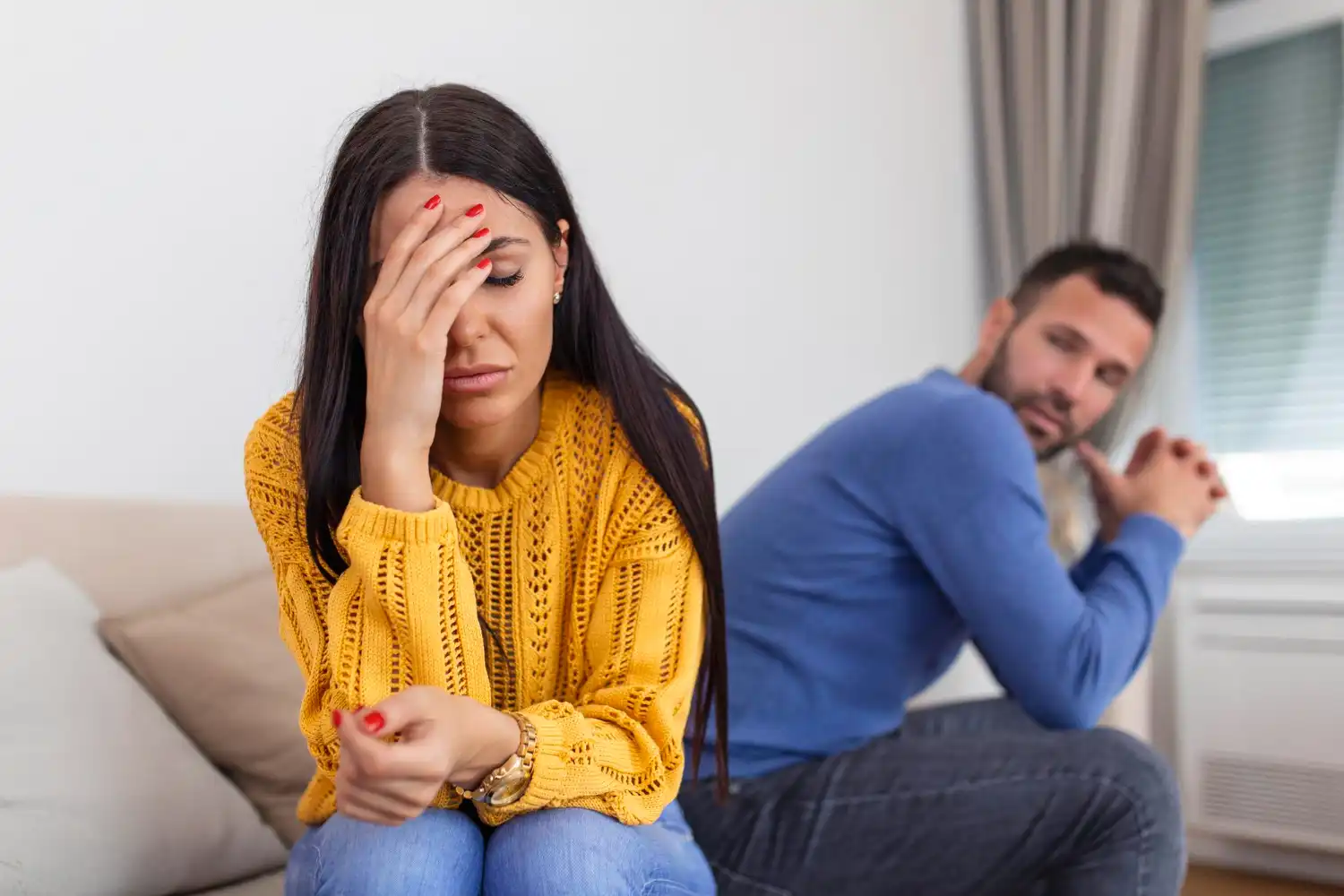
How Relationship Stress Affects Couples
Relationship stress directly affects how partners think, feel, and interact, often weakening emotional intimacy over time.
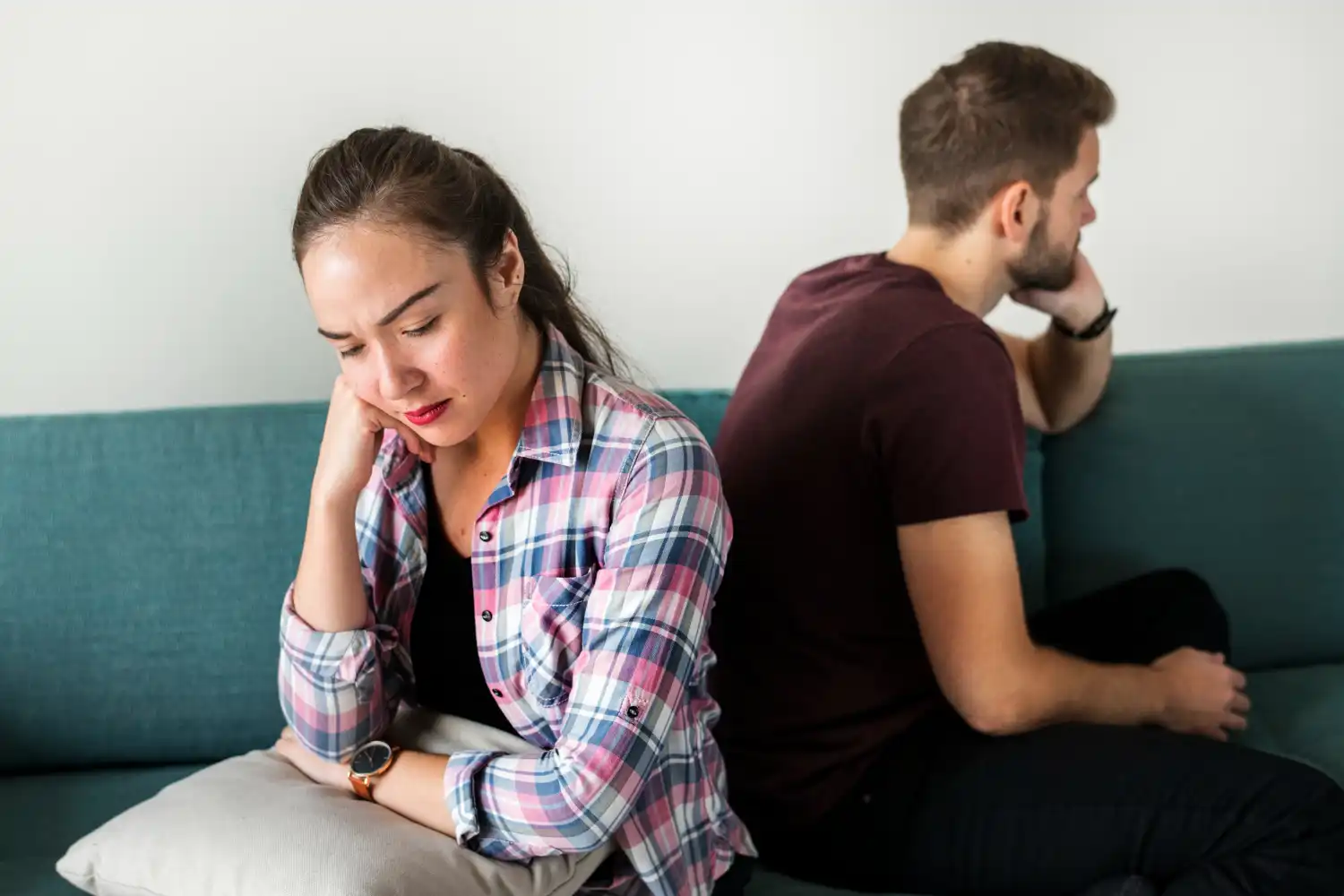
- Reduced emotional closeness and affection between partners.
- Increased misunderstandings and frequent arguments.
- Withdrawal or avoidance of meaningful conversations.
- Difficulty resolving conflicts calmly and respectfully.
- Loss of trust and emotional security over time.
Different Stress Responses in Men and Women
Men and women often experience and express relationship stress differently due to emotional coping styles, social conditioning, and biological responses.
How Women Commonly Respond to Relationship Stress
- Seek emotional support and reassurance from their partner
- Express feelings openly through healthy communication
- Desire emotional closeness during stressful periods
- Feel distressed when emotional needs are unmet
How Men Commonly Respond to Relationship Stress
- Internalize stress and suppress emotional expression
- Withdraw emotionally or avoid difficult conversations
- Focus on problem-solving rather than emotional discussion
- Appear detached or disinterested despite underlying stress
Signs That Indicate Relationship Stress
Relationship stress often develops gradually, showing emotional and behavioral changes that may be easy to overlook at first.
-
Frequent Irritation:
Feeling impatient, easily annoyed, or constantly frustrated with your partner.
-
Communication Gaps:
Lack of meaningful conversations or avoidance of important discussions.
-
Emotional Distance:
Feeling unheard, disconnected, or emotionally detached from your partner.
-
Constant Overthinking:
Repeatedly worrying about the relationship or questioning its stability.
-
Reduced Quality Time:
Decline in shared activities, bonding moments, or emotional closeness.
-
Loneliness in the Relationship:
Feeling alone or unsupported despite being in a committed relationship.
When Should You Consider Relationship Counselling?
Many couples believe counselling is only necessary during crises, but seeking professional help early can prevent long-term emotional strain. Counselling is beneficial whenever stress affects communication, emotional well-being, or daily relationship functioning.
Signs You May Benefit:
- Arguments remain unresolved and repetitive
- Communication feels strained or ineffective
- Emotional connection feels weak or distant
- Major life changes are causing relationship tension
- Trust issues, resentment, or emotional pain persist
- You want to strengthen your relationship proactively
How HopeQure Helps with Relationship Stress
HopeQure offers structured, evidence-based online counselling programs designed to address relationship stress at its root. Experienced therapists help individuals and couples understand stress triggers, improve emotional awareness, and develop healthier relationship patterns. With personalized support, flexible online sessions, and confidentiality, HopeQure enables couples to rebuild emotional balance and strengthen their relationship in a supportive environment.
Start Relationship Stress TherapyDiscover Our Latest Blogs on Relationship Stress:
- How to Manage Stress and Pressure? A Complete Guide
- Know the way to manage your stress
- Top 10 Stress Management Tips By HopeQure
 Generalized Anxiety Disorder
 +919899112690